Enabling world‑leading electric vehicle innovation through strategic planning and technical leadership
JLR’s Gaydon site has long been a flagship centre of British automotive innovation. Once an RAF airfield, and now one of the UK’s most advanced engineering campuses, it is where breakthrough ideas in design, research and testing come to life.
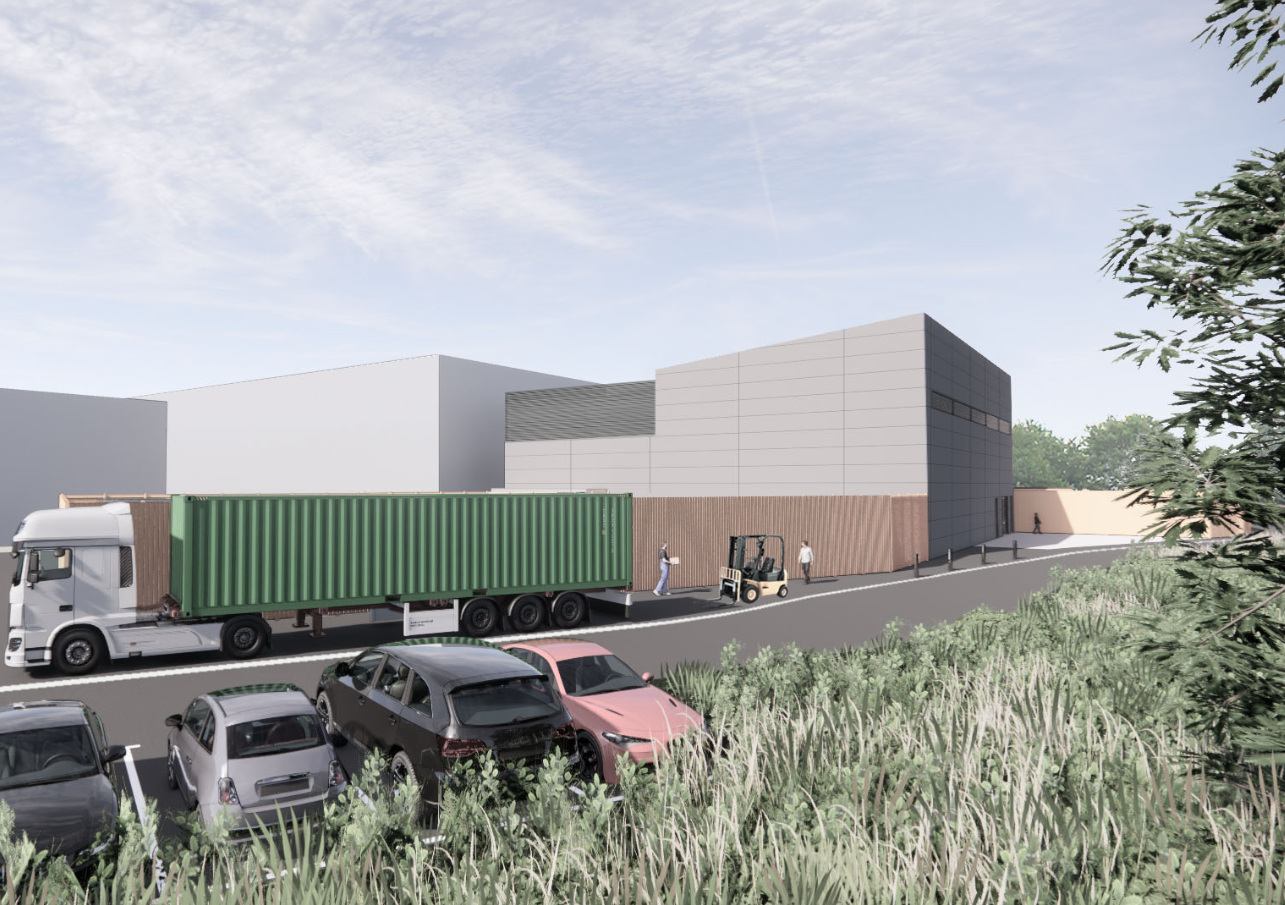
As Jaguar Land Rover drives forward its electric vehicle strategy and aligns with the UK’s net‑zero ambitions, Gaydon is home to the next major step in that journey: a cutting‑edge Electromagnetic Compatibility (EMC) laboratory.
We are proud to have secured the planning permission that turned this vision into reality.
Location: Gaydon, Warwickshire
Client: Jaguar Land Rover
Service: Planning
Sector: Energy and infrastructure
Facility size: 1,856 sqm specialist testing building
Supporting bold ambitions
JLR is investing heavily in electrification as part of its Reimagine strategy. With this comes a growing need to ensure battery systems, control modules and electrical infrastructure meet the highest standards of performance, reliability and safety. The new EMC facility is fundamental to that mission.
Designed to simulate a wide range of electromagnetic conditions – from interference and power surges to real‑world signal environments – the laboratory enables JLR to test its EV technologies in-house. This ensures faster development cycles, reduced programme risk and a significant increase in operational efficiency.

What we delivered
We worked closely with Stratford‑on‑Avon District Council, technical consultees and the project team to secure planning consent for a highly specialised testing environment with unique engineering requirements.
The approved scheme includes:
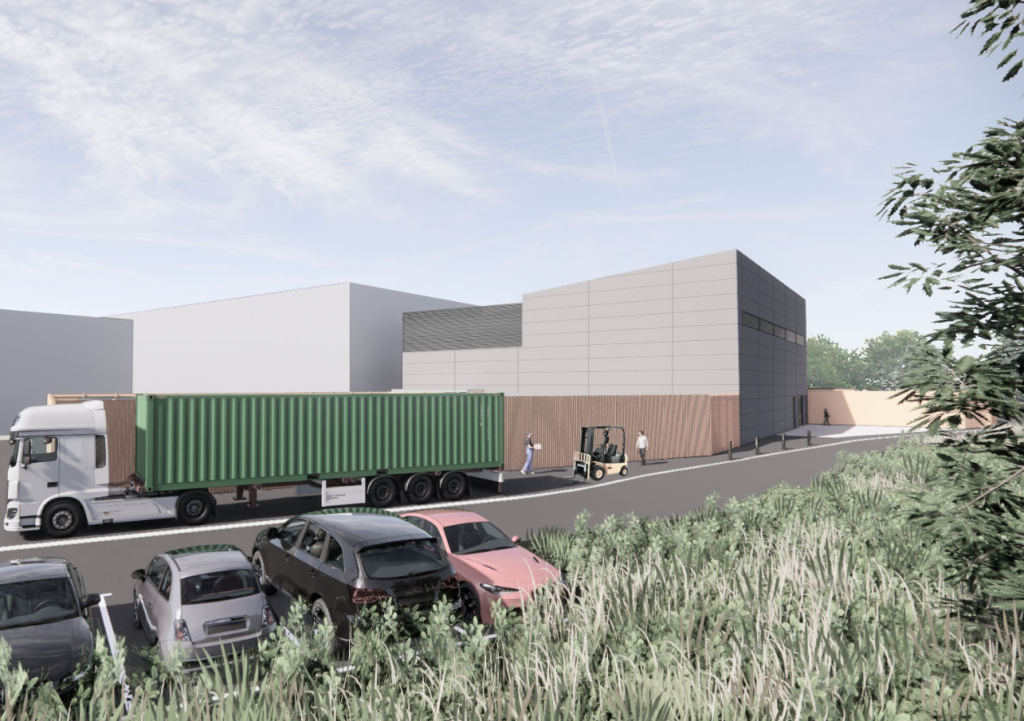
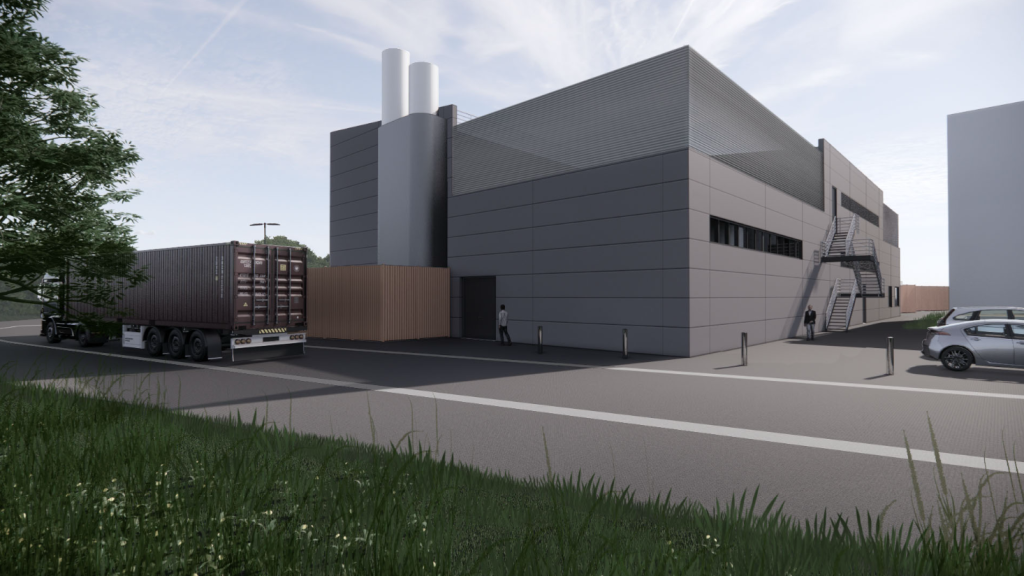
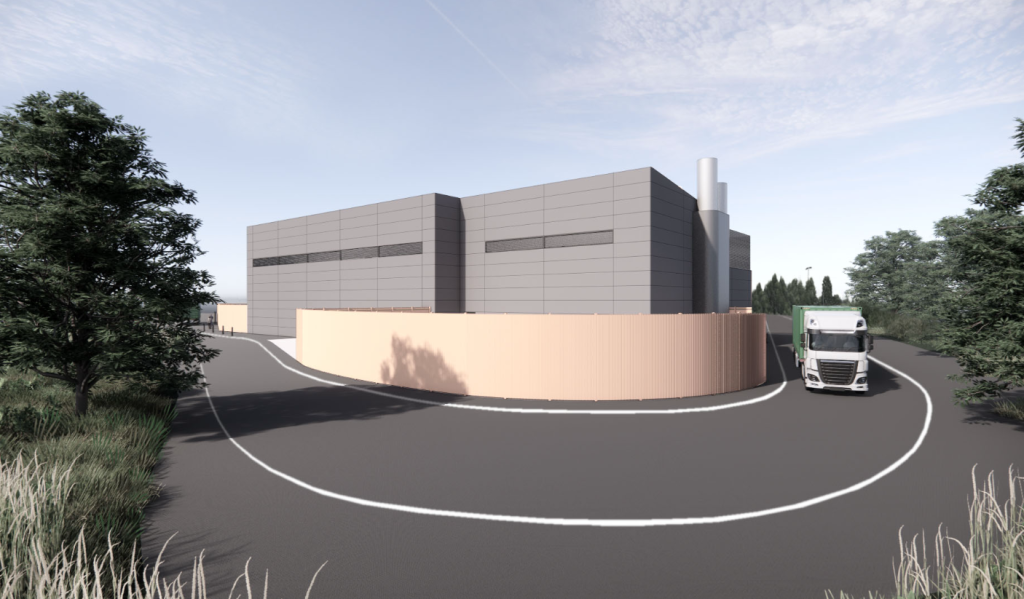
- A 1,856 sqm purpose‑built testing facility with basement, ground and mezzanine levels
- Use Class B2 to support industrial testing and research functions
- Dedicated service yards and compounds to accommodate specialist equipment
- A detached electrical substation and new feeder road to ensure reliable, high‑capacity power supply
The project required navigating a range of technical, environmental and design considerations – from acoustics and electromagnetic shielding requirements to ground conditions and integration with the existing R&D campus.
We worked proactively to address these challenges and ensure the application progressed in line with JLR’s delivery ambitions.
Boosting innovation and the local economy
Beyond its technical role, the EMC facility represents a long-term investment in UK engineering capability. By enabling JLR to undertake all testing onshore, the development:
- reduces the carbon footprint of external testing,
- improves quality control and operational resilience, and
- accelerates time-to-market for new electric vehicle technologies.
The project has already supported the creation of 250 new electrification jobs, contributing to local skills development and strengthening the regional engineering supply chain.
Planning for the road ahead
This development reinforces Gaydon’s position as a global centre for automotive R&D and demonstrates how forward‑thinking planning can unlock the infrastructure essential to the UK’s transition to electric mobility.
As Peter Phillips, Senior Manager for Electromagnetics and Compliance at JLR, reflected:
“The importance of testing our vehicles for electromagnetic compatibility cannot be underestimated. Opening this new testing facility is an important step forward for the business and it will play a crucial role in helping us deliver quality, legal, and customer satisfaction.”
This project exemplifies how collaborative, strategic planning can turn industry ambition into real‑world capability – supporting innovation, investment and a cleaner transport future.