Strategic planning leadership for a landmark regeneration project in the Waterside
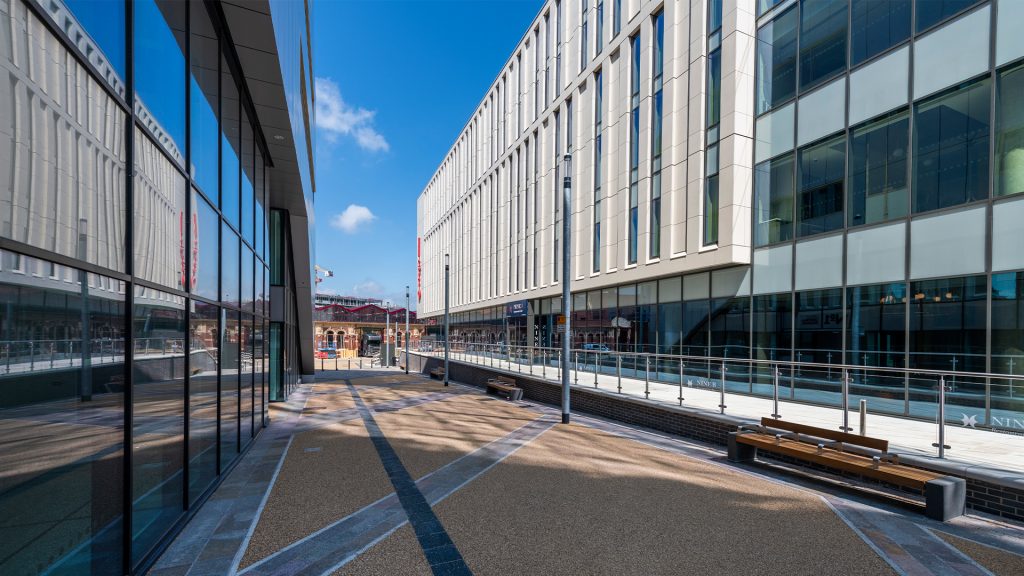
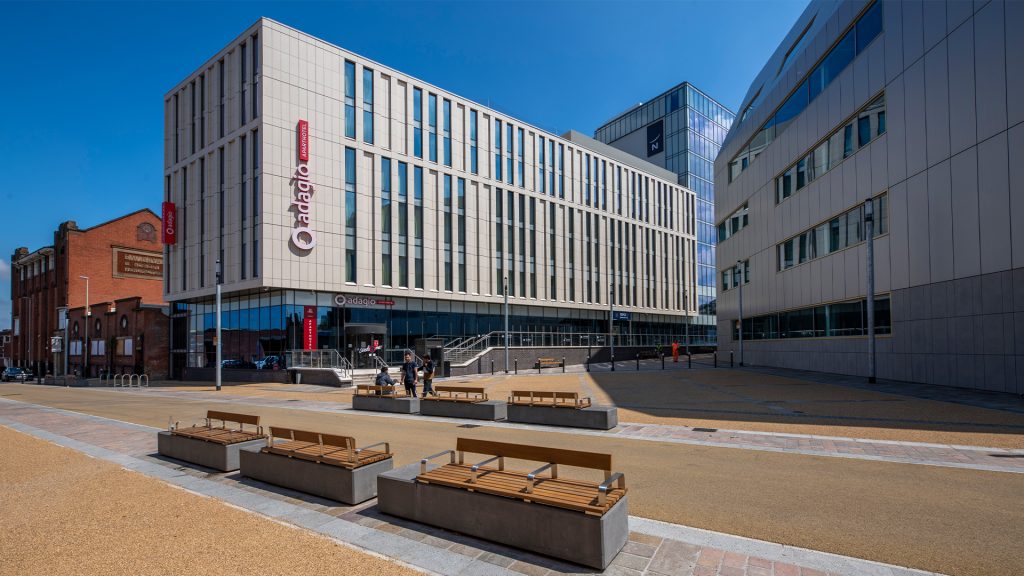
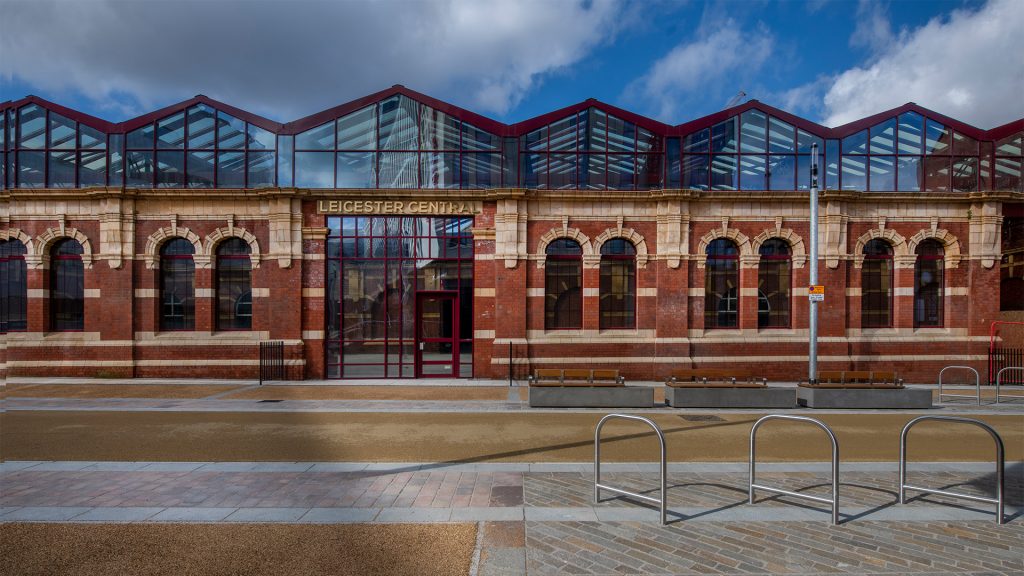
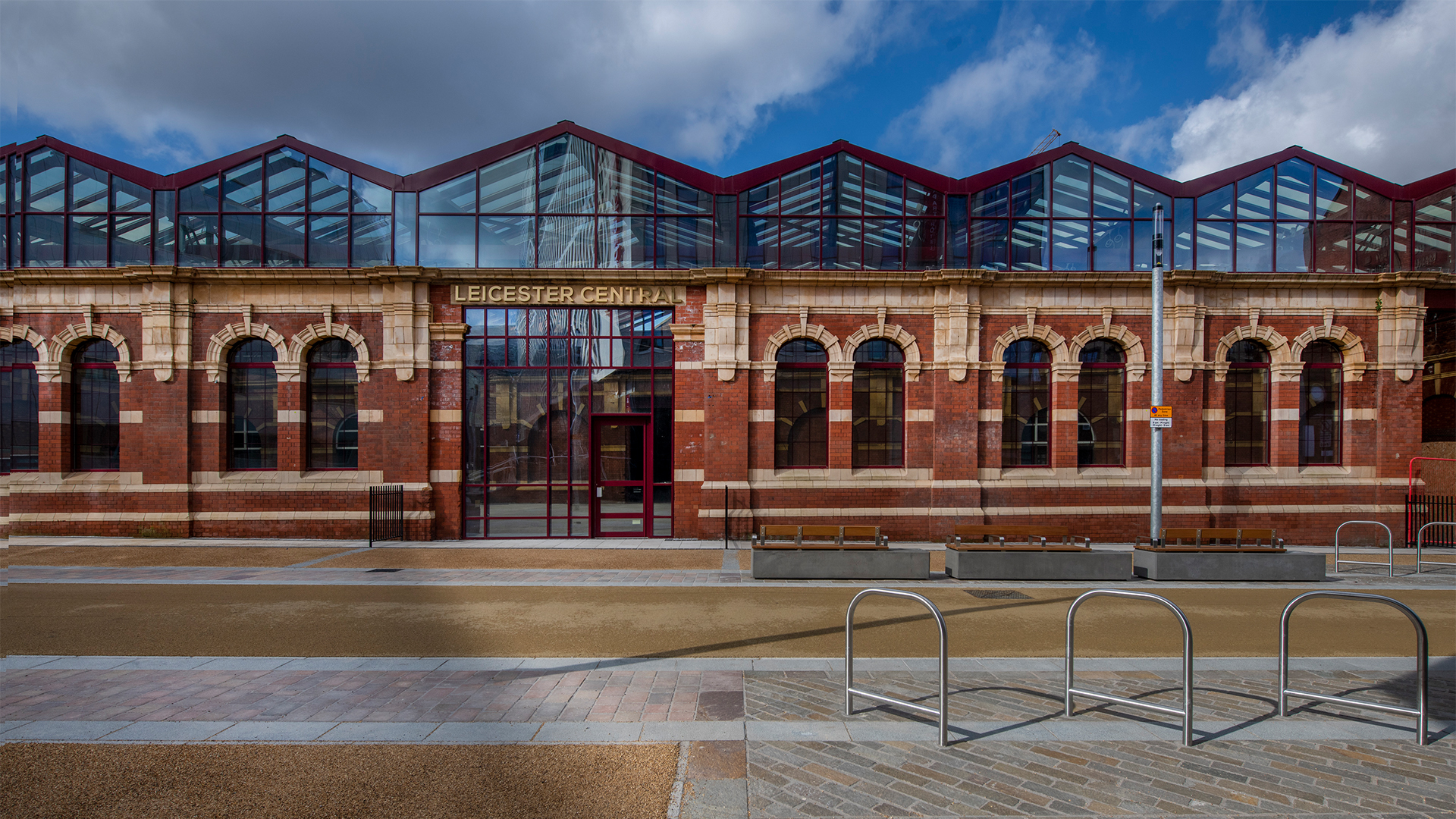
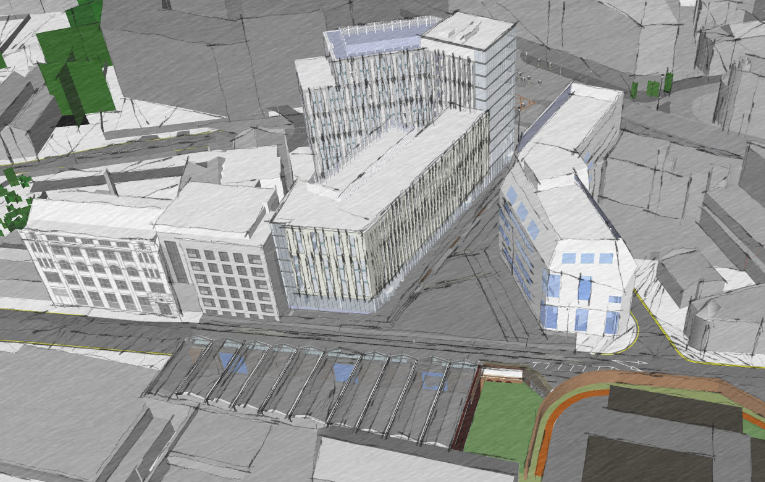
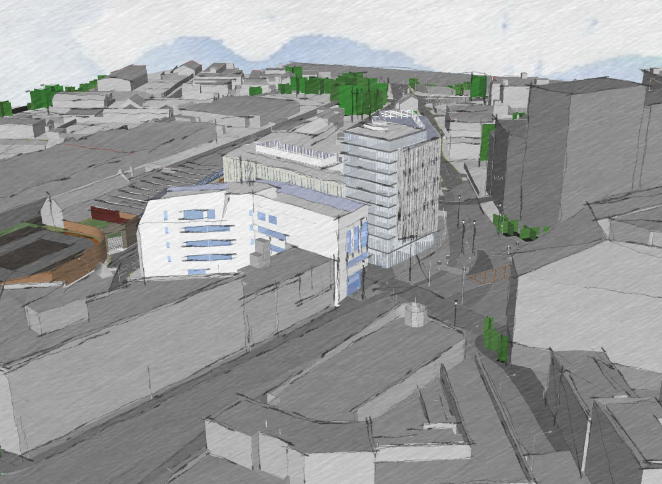
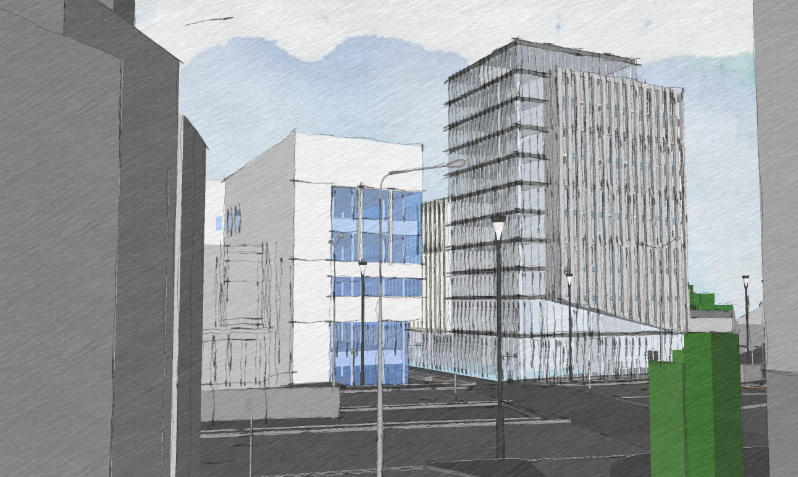
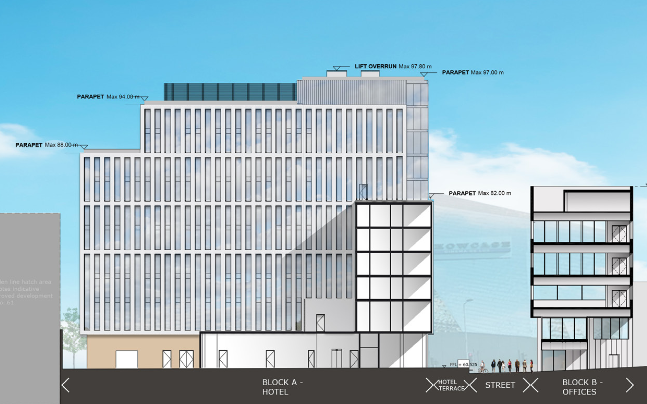
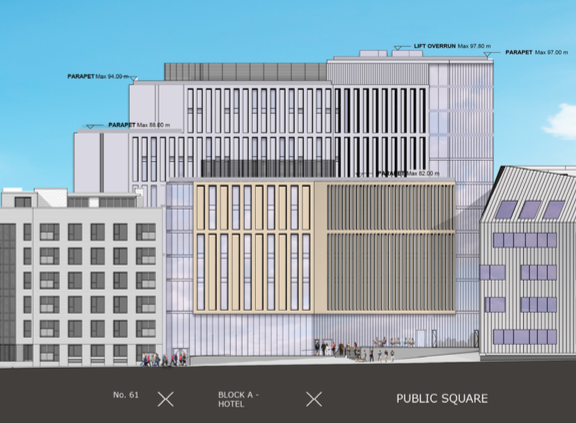
The Great Central Square development represents a major step in the transformation of Leicester’s Waterside – an ambitious £60 million mixed‑use scheme delivered on behalf of Charles Street Buildings Group. The development comprises two hotels, 33,000 sq. ft. of Grade A office space, leisure uses within the refurbished former Great Central Station, and new civic public realm.
The scheme has acted as a catalyst for over £200 million of further investment across the Waterside regeneration area. Located opposite Highcross and John Lewis, the development occupies one of the most prominent gateway sites into the city centre.
We led the strategic planning process from the earliest stages, helping shape a high‑quality development that strengthens the link between the Waterside and the city centre and delivers significant economic, heritage and placemaking benefits.
Location: Leicester city centre
Client: Charles Street Buildings Group
Service: Planning
Sector: Mixed‑use / Regeneration / City Centre
Project value: £60 million
A collaborative and strategic planning approach
Our involvement began with early strategic advice, where we established a clear planning route for an eight‑acre site with significant physical and historical sensitivities. We prepared and submitted the pre‑application enquiry, attended all pre‑application meetings and coordinated engagement with Leicester City Council and other key stakeholders.
Our role involved:
- Leading and coordinating the multi‑disciplinary project team
- Advising on planning strategy, risk, and deliverability
- Managing all pre‑application and ongoing discussions with the local planning authority
- Ensuring all technical workstreams aligned with planning requirements
- Overseeing the preparation of a robust and fit‑for‑purpose full planning application
This approach aligned closely with the Waterside Supplementary Planning Document and broader ‘Connecting Leicester’ programme, ensuring the scheme delivered against long-term city ambitions.
Managing technical complexity and heritage constraints
The site carried major constraints, including:
- Areas formerly occupied by railway sidings
- Roman archaeology of significant regional importance
Recognising the scale of the archaeological risk, we appointed ULAS early in the process and helped deliver one of the most extensive pre‑determination archaeological programmes undertaken in the East Midlands. This proactive approach allowed the client and the City Council to fully understand the site’s heritage sensitivities before submission.
We also agreed the precise scope of supporting reports with Leicester City Council, issued and managed multiple tenders for technical consultants, and quality‑checked all documentation to ensure the application met the highest standards.
Before submission, we sought a screening opinion from the local authority to confirm that an Environmental Assessment was not required. The Council agreed with our position, ensuring no unnecessary delays to the programme.
The programme included public engagement, with the archaeological excavations opened to visitors—helping to interpret and celebrate Leicester’s heritage.
Smooth delivery through planning and post‑consent
The application was approved under delegated authority, reflecting the strength, clarity and completeness of the material we assembled. Post‑consent, we continued to lead the process, managing the discharge of planning conditions through close weekly liaison with:
- Leicester City Council
- Morgan Sindall (the appointed contractors)
- The client’s wider delivery team
We maintained a live conditions tracker and coordinated discussions with community, heritage, statutory and non‑statutory bodies, ensuring a lawfully implementable permission.
The development completed in March 2020 and is now successfully occupied – representing one of the most significant regeneration investments in Leicester in recent years and a major step forward in delivering the long‑term vision for the Waterside.
It now stands as a catalyst for wider regeneration, helping unlock the long-term transformation of Leicester’s Waterside and setting a benchmark for public–private collaboration.