
Unlocking planning success through powerful, evidence-led strategy
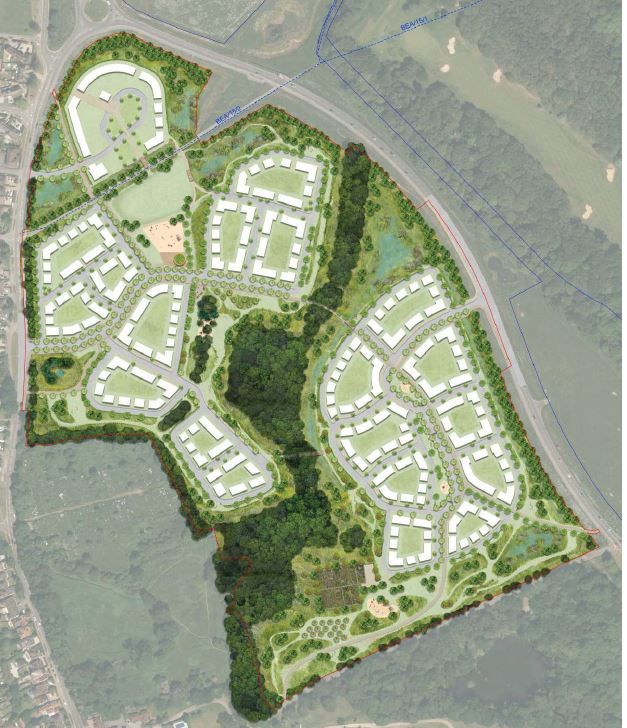
We supported the delivery of a 330-home scheme in Beaconsfield, transforming a challenging planning position into a clear and successful outcome through robust, multi-layered evidence.
Working alongside Catesby Strategic Land and The Portman Estate, we developed a comprehensive evidence base to support a scheme that would deliver:
- 50% affordable housing (up to 165 homes)
- Up to 17 self and custom build plots
- Later living accommodation
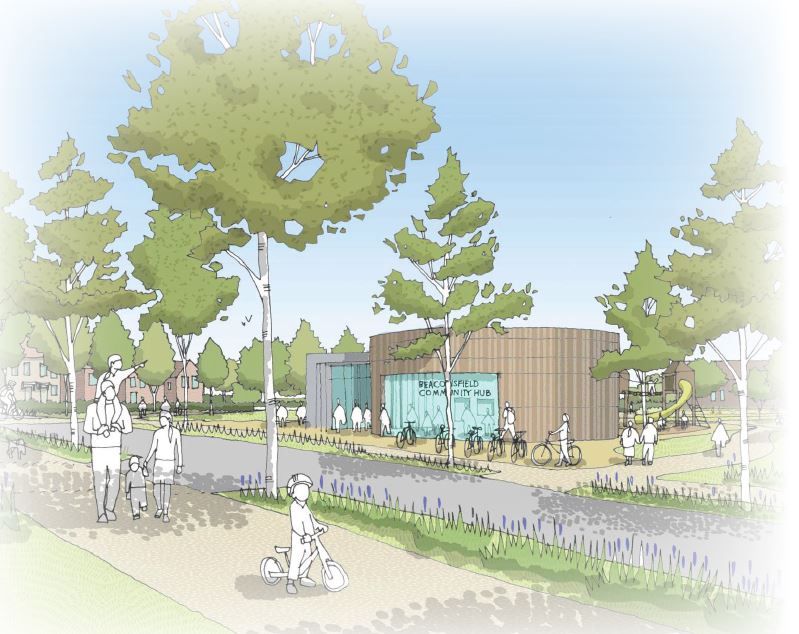
- Significant open space and biodiversity enhancements
Together, these elements positioned the development as a meaningful and inclusive response to local housing and community needs.
Key details
- Location: Beaconsfield, Buckinghamshire
- Client: Catesby Strategic Land Limited and The Portman Estate
- Sector: Residential
- Marrons team: Dan Usher, Simon Macklen and Isabelle Woodville-Hill

Building a compelling evidence base
We prepared a suite of detailed assessments to underpin the planning case, including:
- Affordable housing need assessment
- Later living housing need assessment
- Self and custom build housing need assessment
- Health Impact Assessment
- Socio-economic chapter of the Environmental Statement
- Economic Benefits Assessment quantifying financial impacts
This comprehensive approach ensured the scheme was supported by clear, consistent and policy-aligned evidence, demonstrating not only need, but wider social, economic and environmental value.
From recommendation to refusal
The strength of this evidence was clear from the outset. The planning officer recommended approval, recognising that:
- The delivery of housing, particularly affordable and later living provision, carried significant weight
- The benefits clearly outweighed Green Belt harm, constituting very special circumstances
Despite this, the scheme was refused by the planning committee – creating a critical moment in the project’s journey.
Supporting a successful appeal
At appeal, the quality and depth of the evidence became decisive. The planning inspector placed substantial weight on the scheme’s benefits, particularly:
- The delivery of up to 330 new homes, representing a significant boost to local supply
- The provision of affordable housing, recognised as a major community benefit
- The inclusion of later living accommodation, carrying additional weight in the planning balance
- Economic benefits, including construction employment and increased local spending
- Environmental gains, including approximately 27% biodiversity net gain
The inspector cited Marrons’ work directly, confirming the strength of the evidence base and ultimately granting permission.
Our role
We led the preparation of the socio-economic and housing evidence, working closely with the wider consultant team to ensure all outputs were robust, aligned and clearly articulated.
Our role focused on translating complex data into compelling, defensible conclusions – strengthening the planning case at every stage and ensuring the scheme could withstand detailed scrutiny both pre-determination and at appeal.
The result
This project stands as a powerful example of how high-quality socio-economic evidence can shift the planning balance.
What began as a scheme facing refusal ultimately secured approval, delivering much-needed housing and long-term benefits to the community — and demonstrating the critical role of evidence in achieving planning success.