
Securing a sustainable future for a landmark listed building
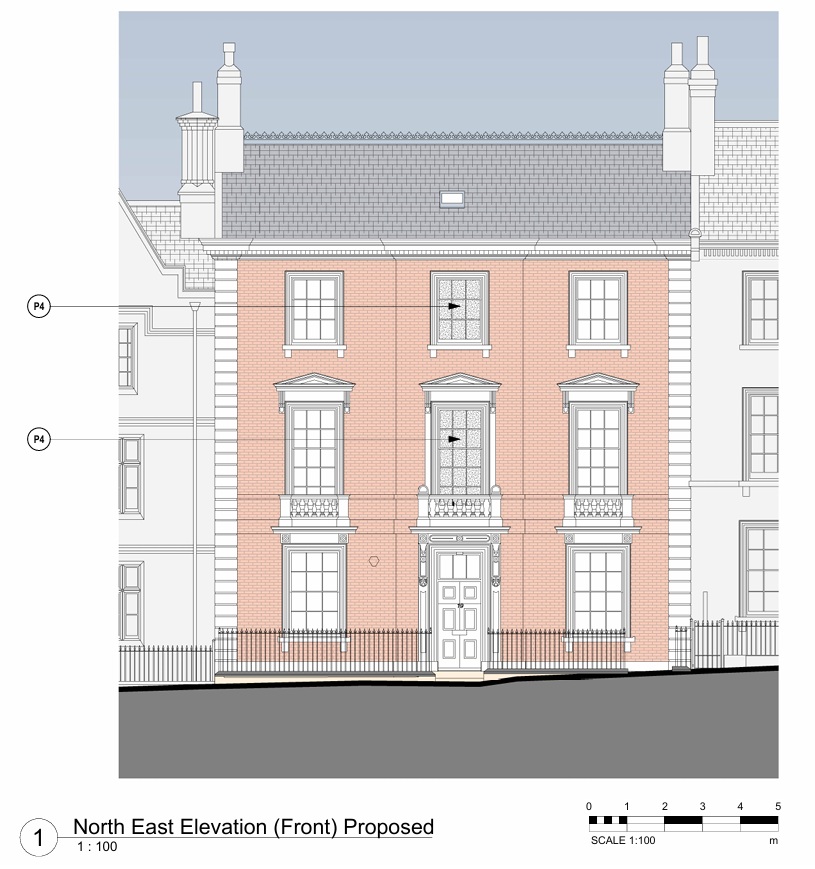
We supported Mellors & Kirk in securing planning permission and listed building consent for the conversion of 19 Regent Street, a prominent Grade II listed building in Nottingham’s historic professional quarter, into high-quality residential apartments.
Key Details
- Location: Nottingham
- Client: Mellors & Kirk Limited
- Status: Planning permission and listed building consent secured for residential conversion
- Service: Heritage
- Sector: Residential
- Marrons team: Brixie Payne
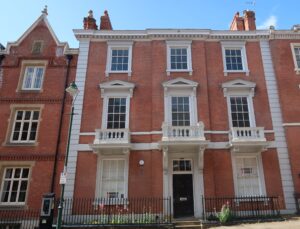
Positioned within the Wellington Circus Conservation Area, the building is an important part of Nottingham’s architectural heritage. Originally constructed in the mid-19th century and later adapted for office use, it occupies a prominent position on Regent Street and is recognised by Historic England as a Grade II listed asset of special architectural and historic interest.
A heritage-led approach to reuse
The project sought to breathe new life into a historic building by reinstating its original residential use while ensuring that its architectural character and significance were preserved.
Having stood vacant for more than two years, the building required a viable long-term use that could secure its future. Our assessment helped demonstrate that conversion back to residential use represented the optimum viable use for the building, providing a sustainable future for the building whilst respecting its heritage significance.
We led the heritage input for the scheme, preparing a detailed heritage statement to support both the planning and listed building applications. Working closely with the wider project team, we helped shape proposals that responded sensitively to the significance of the building and its conservation area setting.
A key challenge was balancing the requirements of modern residential accommodation with the constraints of a listed building.
Despite decades of office and institutional use, much of the building’s historic planform and many original features remained intact, including the principal staircase, shutters, decorative cornicing and historic joinery. This required a careful understanding of the building’s significance and the identification of opportunities for change that would preserve its architectural character while enabling a viable new use.
Securing a positive heritage outcome
Whilst we concluded there would be a low level of harm to the significance of the building, our assessment demonstrated that the proposals were acceptable and that the benefits delivered through bringing an underutilised asset back into active use would outweigh said harm.
The scheme also delivered tangible heritage benefits through the removal of an unsympathetic modern external fire escape, the reinstatement of original window openings, and a programme of repair and restoration works that better revealed the significance of the building.
The quality of the heritage analysis was recognised during the application process, with comments from the Nottingham Civic Society referring to the heritage statement as a “comprehensive analysis” of the building and its significance.
The proposals secured planning permission and listed building consent with no objections from the council’s conservation officer, providing a clear route forward for the building’s long-term future.
A new chapter for a historic building
The project demonstrates how thoughtful, heritage-led design can help historic buildings evolve to meet changing demands.
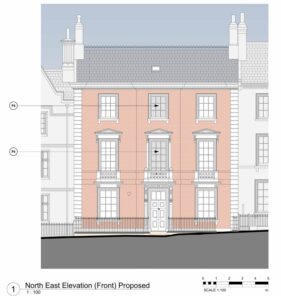
Originally built as one of Regent Street’s distinguished Victorian townhouses, the building had gradually transitioned from residential use to institutional and office accommodation during the twentieth century.
By supporting the conversion of a listed office building into residential apartments, the scheme brings new life and investment to an important heritage asset while ensuring its historic character continues to contribute to Nottingham’s townscape for years to come.