Reforms to Class Q and Class R permitted development rights are turning more disused farm buildings into homes, workspaces and rural enterprises.
For homebuyers dreaming of rural life – pastoral landscapes, tranquillity interrupted only by the bleat of sheep, and perhaps most importantly, no neighbours – finding the perfect property often requires time, persistence, and a lot of cash.
For rural planning professionals, one of the most common questions from would-be buyers is, “Can I build a house in that field?”
The answer is almost always ‘no’. Since 1947, the planning system has strictly limited development in the countryside, under the banner of preventing urban sprawl and promoting sustainable growth.
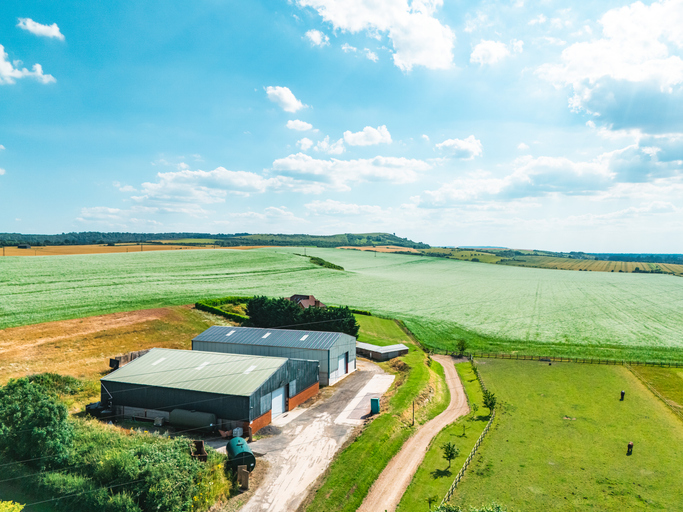
However, if that field contains a barn, those dreams could become reality. Thanks to the General Permitted Development Order (Class Q), some agricultural buildings may become homes without full planning permission. Should these meet permitted development criteria, the planning authority will grant a prior approval.
The 2024 reforms to Class Q and Class R rights have created development opportunities for rural landowners – enabling residential conversions and commercial uses that add value to existing buildings without breaking new ground.
Conversions through Class Q
Class Q allows an agricultural building to be converted to a house. Since its introduction, the barn conversion has become a rural ideal, thanks to features in Grand Designs and rural lifestyle magazines. The aesthetic is well established: flagged stone floors, mezzanines, and dramatic double-height living spaces.
However, what appears a straightforward conversion on paper often proves complex in practice, as any permitted development rights under Class Q are subject to numerous caveats and legal precedents.
This remains correct under the 2024 amendments, which set 24 July 2023 as the relevant date. If it built after that date, it must remain in active agricultural use for at least ten years before development can begin under Class Q. In practical terms, that means any newer buildings will be ineligible until at least July 2033.
However, as the stock of suitable barns has dwindled, the 2024 legislative reforms broadened eligibility to include disused agricultural buildings – even those no longer part of a working farm. This gives landowners a route to unlock value from more isolated or detached structures.
The building must also have suitable access to a public road, something the local council assesses during the prior approval process. Conversions are not permitted in protected areas, including Areas of Outstanding Natural Beauty (now National Landscape designations), SSSIs, safety hazard zones, or scheduled monuments.
Farm diversification through Class R
However, it only permits a change of use – planning permission would be needed for building works.
Planning officers will still make a determination through a prior approval. If the building is less than 150 sq. metres, this is limited to the nature of use, and the location. Where the building is larger, an impact assessment for flood risk, traffic, contamination and noise would be required.
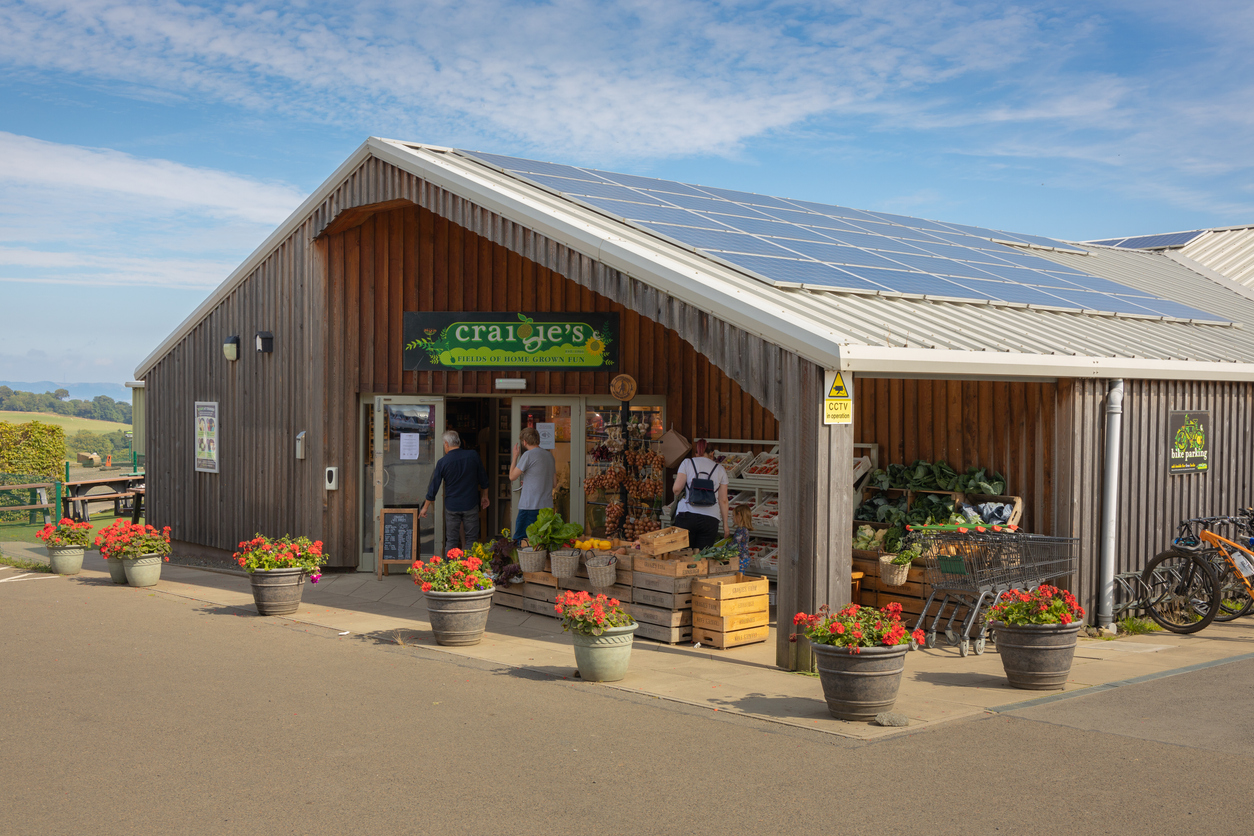
The changes to Class R give landholders the chance to be imaginative about diversification of a farm. As well as rural business centres or warehousing, a barn could see new life as a trail biking venue, yoga retreat or a place to seize on the latest fitness trend.
How we can help
With more versatility comes greater value – if you have a suitable site for a Class Q or Class R agricultural building conversion, we can help advise on what the current permitted development rules mean for your site.