
Farm diversification is becoming essential for many landowners looking to maintain profitability and adapt to changing agricultural pressures. However, one of the most common barriers is navigating the planning process, where assumptions about permitted development or site suitability can lead to delays, additional costs or refused applications.
This article explores the key planning considerations for farm diversification, including permitted development rights, common risks, and whether your site is suitable.
What does farm diversification involve?
Diversification can take many forms depending on the characteristics of the land and existing assets. Common examples include:
- Events venues and wedding facilities: often highly profitable, though they require careful assessment, including access, parking, noise and amenity impacts.
- Renewable energy projects: including solar farms and battery storage schemes, which can provide stable, long-term income but typically require full planning permission and careful consideration of grid connection.
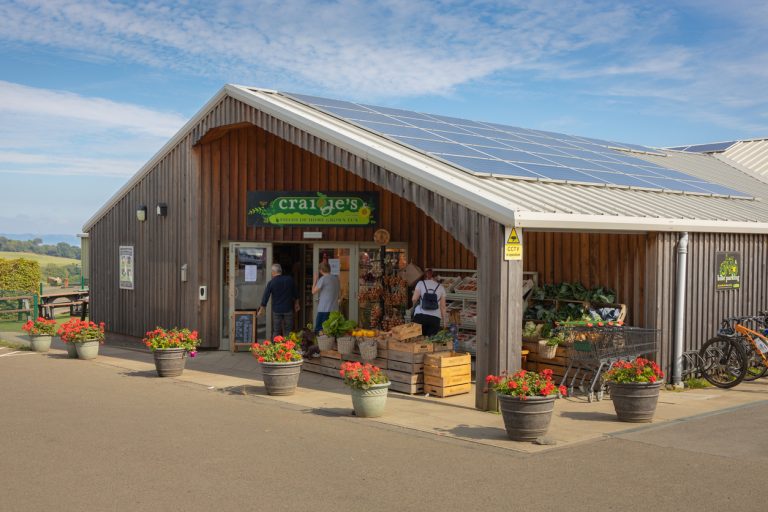
- Farm shops, cafés and retail units: often achievable through Class R permitted development, although scale and impact may determine whether full planning permission is needed.
- Residential conversions: frequently enabled through Class Q, which allows agricultural buildings to be converted into dwellings subject to certain criteria, including on scale, detailing and technical considerations.
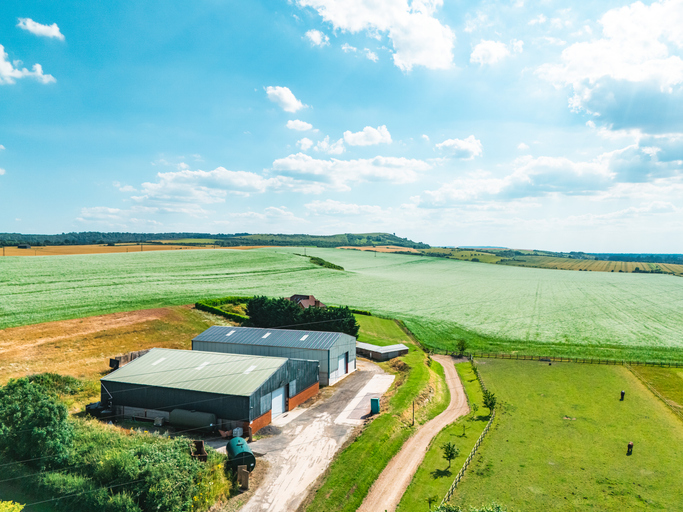
In many cases, successful diversification is less about starting from scratch and more about making better use of what already exists, unlocking value from redundant buildings and underutilised land.
Is your farm suitable for diversification?
There is no one-size-fits-all approach. Each farm must be assessed on its own merits to understand what is realistically achievable.
A range of site-specific factors will influence development potential. These include flood risk, landscape sensitivity and visual impact, ecological constraints, and the quality of access to the public highway. Designations such as Green Belt, National Landscapes and Conservation Areas will introduce further layers of restriction.
Location matters too. Farms that are accessible, well-connected and set within attractive surroundings tend to be better suited to tourism, hospitality or commercial uses.
Proposals will be assessed against the National Planning Policy Framework and local development plan policies. Taking these factors together, a thorough understanding of site constraints, policy context and access considerations is essential from the outset, particularly where viability may be affected by planning limitations.
Do you need planning permission for farm diversification?
One of the first questions to address is whether a project can proceed under permitted development rights, or whether a full planning application will be required.
Whilst permitted development can offer a more streamlined route, it is not available for all forms of diversification. Getting this distinction right at an early stage can save considerable time and cost.
Permitted development rights: opportunities and limitations
Permitted development rights can provide a valuable route for converting redundant agricultural buildings without the need for a full planning application, subject to certain conditions being met.
Class Q and Class R fall under the Town and Country Planning (General Permitted Development) (England) Order 2015.
In practice:
- Class Q allows the conversion of agricultural buildings into residential dwellings
- Class R enables conversion into flexible commercial uses, such as shops, cafés or offices
Changes to permitted development rights in recent years have expanded opportunities for landowners to unlock value from existing buildings. However, these rights are not without limitations.
Eligibility criteria, prior approval requirements and design constraints can all affect whether a scheme is deliverable. Prior approval is often where proposals are challenged, particularly in relation to design, transport and impact considerations.
Permitted development is also subject to interpretation by local authorities, meaning outcomes are not always straightforward. This is particularly relevant for more complex diversification projects, such as tourism or leisure uses, where these rights may not apply.
When is a full planning application required?
Many diversification proposals will require planning permission for agricultural land, particularly those involving:
- tourism and leisure developments;
- new build schemes; or
- uses that fall outside the scope of Class Q or Class R.
Applications are assessed against the national planning policy framework and local planning policies, particularly those relating to rural development and the open countryside.
Even where policy is broadly supportive in principle, outcomes can vary depending on how local authorities interpret individual proposals. This is particularly relevant for projects such as solar or battery storage schemes, or events venues, where impacts on landscape, access and local amenity must be carefully assessed.
Common planning risks and how to avoid them
Whilst diversification can offer significant opportunities, it is important to approach any project with a clear understanding of planning risk.
A common mistake is over-reliance on permitted development, with landowners assuming that conversion or change of use will be straightforward. In practice, eligibility criteria and prior approval requirements can introduce significant complexity.
Proposals that fail to account for site constraints, such as access, environmental sensitivities or visual impact, are also at risk of delay or refusal. Seemingly minor issues can become decisive factors in planning decisions.
Larger or more ambitious proposals, especially those involving new build development in open countryside, may also face challenges in principle.
To reduce risk, we would advise landowners to:
- seek early advice from an experienced planning consultant;
- undertake a thorough site and policy appraisal; and
- engage with the local planning authority at an early stage where appropriate.
Taking these steps early can help identify potential obstacles and ensure proposals are aligned with planning policy expectations before significant time and resources are committed.
Creating long-term value through diversification
When carefully planned, diversification can play a central role in supporting long-term farm viability and business resilience.
Repurposing underutilised buildings or land can create new income streams, reduce reliance on traditional farming revenues, and improve overall business stability. Opportunities such as renewable energy schemes, commercial lettings, or hospitality ventures can deliver more predictable and diversified revenue over time.
However, success depends on aligning commercial opportunities with planning policy, physical site constraints, and long-term business objectives. The strongest proposals are those that are realistic, well-evidenced and strategically sound.
How we can help
If you are considering farm diversification, early planning advice can help you avoid costly delays, identify the most viable options, and reduce the risk of refusal.
At Marrons, we work with landowners across the country to assess diversification potential, navigate the planning process, and deliver successful outcomes. To discuss your project, please contact our team. We look forward to hearing from you.